Kim Jong Un sweeps North Korea polls with overwhelming support
Kim Jong Un wins North Korea elections with near-total mandate, power reshuffle signals tighter control
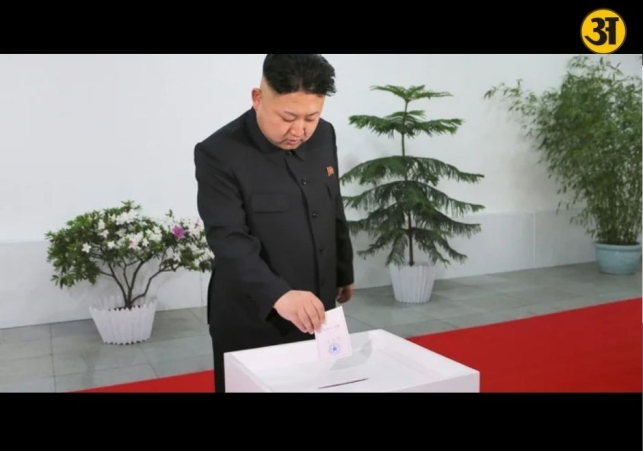
North Korea has once again shown overwhelming support for its leader Kim Jong Un in the latest parliamentary elections held on March 15, 2026. According to state media reports, the ruling party and its allies secured 99.93 percent of the votes, winning every seat in the country’s legislature. The turnout was also reported to be extremely high at 99.99 percent.
The election was held to choose representatives for the 15th Supreme People’s Assembly, which is the country’s main legislative body. Although elections are conducted regularly, many international observers believe that the process is largely symbolic, as only one candidate is usually presented in each constituency.
How the election unfolded
The elections were organized under the leadership of the Workers’ Party of Korea, which dominates the political system in North Korea. Citizens were called to polling stations across the country, and voting is considered a public duty. Reports from state media suggest that almost all eligible voters participated, with only a very small percentage said to have voted against the candidates.
The results showed complete victory for the ruling establishment, reinforcing the leadership of Kim Jong Un. The newly elected assembly will soon meet in Pyongyang to begin its work. One of its first responsibilities will be to formally confirm Kim’s position as the head of the State Affairs Commission, which is the highest governing body in the country.
The assembly is also expected to discuss important national matters, including possible changes to the constitution. Reports suggest that one major issue could be redefining relations with South Korea. There is growing speculation that North Korea may officially declare the two Koreas as separate and hostile nations in its constitutional framework.
In addition to leadership decisions, the assembly will also focus on shaping future policies, especially in foreign relations. Observers are closely watching whether Kim will announce any new strategies regarding ties with other countries.
Major reshuffle in leadership
One of the most notable aspects of this election is the large-scale change in the composition of the assembly. Reports indicate that more than 70 percent of the deputies have been replaced compared to the previous term. Experts believe this move is aimed at strengthening Kim’s control over the political system.
Among the newly elected members are key figures such as Kim’s sister, Kim Yo-jong, who plays an important role in the country’s leadership. Also included is Foreign Minister Choe Son-hui, who is known for her involvement in diplomatic affairs.
Another significant figure is Jo Yong-won, a close aide to Kim, who is expected to take a leading role in the assembly. On the other hand, some senior leaders from the previous term are no longer part of the new structure. For example, Choe Ryong-hae, who earlier held an important position, was not included in the new list of deputies.
ALSO READ: Trump says Israel will not use nuclear weapons against Iran amid conflict
ALSO READ: Trump questions US role in Strait of Hormuz after allies refuse to send naval help
This reshuffle is seen as a strategic effort to bring in loyal and active members who can support the leadership’s vision. State media described the newly elected deputies as representatives of workers, farmers, and officials who are committed to carrying out the party’s goals.
Despite the appearance of a voting process, critics argue that North Korean elections do not offer real political choice. The system allows voters to either approve or reject a single candidate, and voting is not conducted in a fully secret manner. The small percentage of “no” votes reported is often seen as a way to create an impression of democratic participation.
Even so, the Supreme People’s Assembly plays an important role in the country’s governance. While it is often described as a body that approves decisions already made by the leadership, it is still necessary for passing laws and formalizing policies.
The upcoming session of the assembly will be closely watched, both within the country and internationally. It is expected to confirm Kim’s continued leadership and possibly introduce new legal and political changes. Any announcement related to foreign policy or relations with South Korea could have wider implications for regional stability.
In conclusion, the 2026 parliamentary elections in North Korea have once again highlighted the country’s unique political system. With near-total support reported for Kim Jong Un and a major reshuffle in leadership, the results point toward a continued consolidation of power. The coming days will reveal how the new assembly shapes the nation’s future direction.
Related News